

How to Inspect Lifting Slings | Safety Checklist Singapore
Introduction
Regular inspection of lifting slings is essential to ensure safe lifting operations and prevent accidents. In Singapore, improper use or failure of lifting equipment can lead to serious injuries, downtime, and non-compliance with safety regulations.
This guide provides a simple lifting sling inspection checklist to help workers, supervisors, and safety officers identify defects before use.

Why Lifting Sling Inspection is Important
Routine inspection helps to:
Prevent equipment failure during lifting
Ensure compliance with workplace safety standards
Extend the lifespan of lifting slings
Protect workers and equipment
👉 Whether you are using webbing slings, chain slings, or wire rope slings, inspection should always be done before every lift.
Daily Lifting Sling Inspection Checklist
Before using any lifting sling, carry out a quick visual inspection.
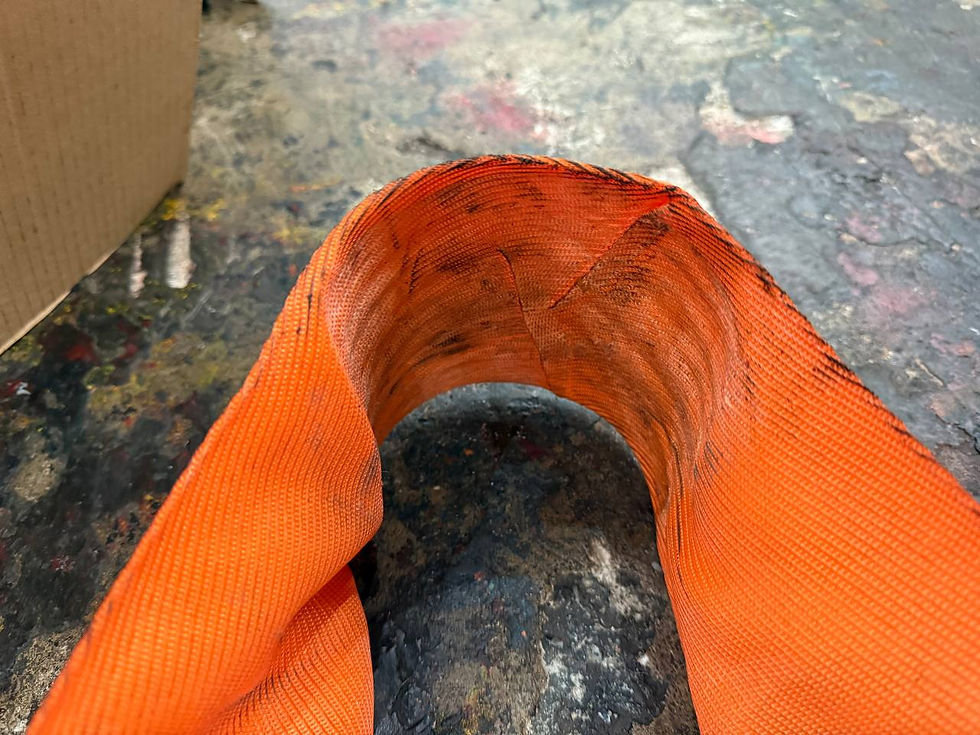
1. Cuts, Tears or Fraying
Check for:
Cuts along the edges
Torn fibers
Frayed webbing
❌ These reduce the sling’s strength and can lead to sudden failure.
2. Broken Stitching
Inspect stitched areas carefully:
Loose threads
Broken seams
Damaged reinforcement loops
👉 Damaged stitching means the sling can no longer carry its rated load safely.
3. Deformation or Distortion
Look for:
Twisted or stretched slings
Bent fittings or hooks
Uneven shape
❌ Deformation indicates the sling has been overloaded or damaged.
4. Heat or Burn Damage
Check for:
Melted fibers
Discolouration
Hard or brittle texture
👉 Heat damage significantly weakens synthetic slings.
5. Chemical Damage
Look for:
Stains or discolouration
Weak or powdery fibers
Signs of corrosion (for chain slings)
❌ Chemical exposure can silently weaken the material.
When Should You Reject a Lifting Sling?
Immediately remove a sling from service if you notice:
❌ Visible Damage
Any cuts, tears, or structural defects
❌ Missing or Illegible Label
If the Working Load Limit (WLL) or identification tag is missing, the sling must not be used
❌ Severe Chemical or Heat Damage
Any sign of weakening due to exposure
👉 Never attempt to repair damaged slings unless approved by the manufacturer.
Best Practices for Safe Sling Inspection
✔ Always inspect before each use✔ Store slings properly away from chemicals and heat✔ Use edge protection for sharp loads✔ Keep inspection records for compliance✔ Train workers on proper inspection procedures
Common Mistakes to Avoid
❌ Skipping inspection due to time pressure❌ Continuing to use slightly damaged slings❌ Ignoring missing labels❌ Using the wrong sling for the job
👉 These mistakes are among the leading causes of lifting accidents.
Conclusion
Regular inspection of lifting slings is a simple but critical step in ensuring safe and compliant lifting operations. By following this checklist, you can prevent accidents, extend equipment lifespan, and maintain workplace safety.
📞 Need Certified Lifting Slings in Singapore?
At FRT, we supply certified webbing slings, chain slings, and rigging equipment that meet safety standards.


Comments