

Common Lifting Failures and How to Avoid Them (Singapore Safety Guide)
- 14 hours ago
- 2 min read
Lifting operations are critical in industries such as construction, marine, and manufacturing—but they also carry significant risks. Many workplace accidents in Singapore are caused by lifting failures that could have been prevented.
Understanding the common causes of lifting failures and how to avoid them is essential for improving safety, reducing downtime, and staying compliant with workplace regulations.

What is a Lifting Failure?
A lifting failure occurs when lifting equipment or rigging systems fail during operation, leading to dropped loads, equipment damage, or injury.
👉 Most failures are not due to equipment defects—but human error and improper usage.
Top Causes of Lifting Failures
1. Overloading (Exceeding WLL)
One of the most common causes of lifting failure is exceeding the Working Load Limit (WLL).
❌ Risks:
Sling breakage
Equipment deformation
Sudden load drop
👉 Always ensure the load is within the rated capacity of the lifting equipment.
2. Using the Wrong Sling Type
Different lifting slings are designed for different applications.
❌ Common mistakes:
Using webbing slings for sharp-edged loads
Using lightweight slings for heavy-duty lifting
Ignoring environmental conditions (heat, chemicals, water)
👉 Choosing the wrong sling significantly increases failure risk.
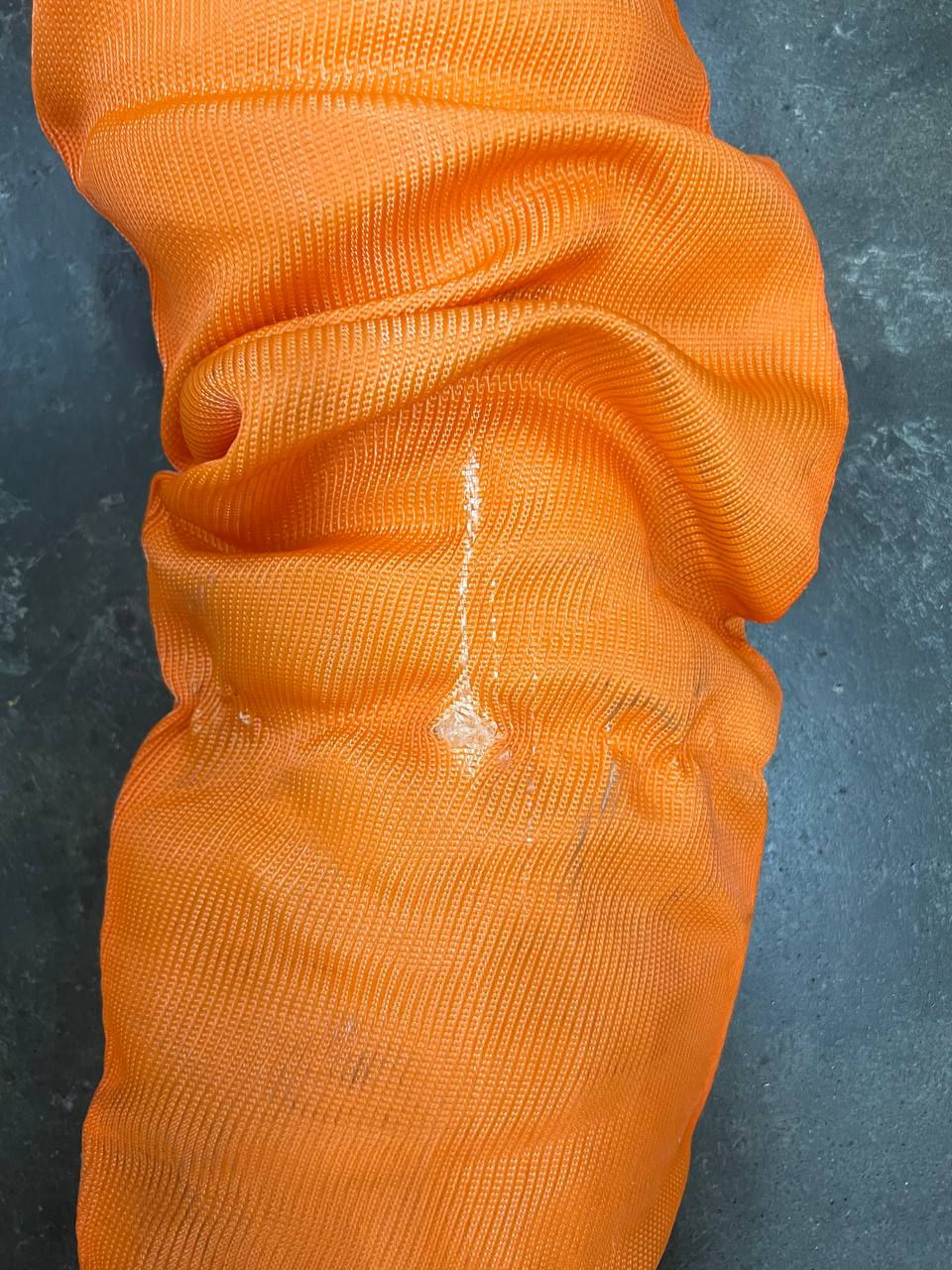
3. Poor Inspection and Maintenance
Failing to inspect lifting equipment regularly can lead to unnoticed damage.
❌ Examples:
Cuts or fraying on slings
Corroded chain links
Broken wires in wire rope
👉 Damaged equipment should never be used.
4. Incorrect Sling Angle or Rigging Method
Improper rigging setup can increase stress on lifting equipment.
❌ Risks:
Uneven load distribution
Increased tension
Reduced WLL
👉 Always follow correct rigging practices and lifting angles.
5. Lack of Training and Supervision
Untrained workers are one of the leading causes of lifting accidents.
❌ Issues:
Misuse of equipment
Poor judgment
Lack of safety awareness
How to Prevent Lifting Failures

1. Proper Training
Ensure all personnel involved in lifting operations are trained and competent.
✔ Includes:
Sling selection
Safe lifting practices
Equipment inspection
2. Use the Right Equipment
Always select lifting equipment suitable for the job.
✔ Consider:
Load weight
Environment
Type of material being lifted
👉 Work with a lifting equipment supplier in Singapore for proper recommendations.
3. Regular Inspection and Maintenance
Inspect equipment before every use and conduct periodic checks.
✔ Key checks:
Damage
Wear and tear
Certification validity
4. Follow Safe Working Load Limits (WLL)
Never exceed the rated capacity of lifting equipment.
✔ Always verify:
Load weight
Sling capacity
Safety factor
5. Plan Lifting Operations Properly
✔ Use proper rigging techniques✔ Ensure correct sling angles✔ Assign trained supervisors
Real Impact of Lifting Failures
Lifting failures can result in:
Workplace injuries or fatalities
Equipment damage
Project delays
Legal penalties in Singapore
👉 Prevention is always cheaper and safer than dealing with accidents.
Conclusion
Most lifting failures are preventable with proper planning, training, and equipment selection. By understanding the common causes of lifting failures, companies can significantly improve safety and efficiency.
✔ Avoid overloading✔ Use the correct sling✔ Inspect regularly✔ Train your team
📞 Need Reliable Lifting Equipment in Singapore?
At FRT, we supply certified lifting slings, chain slings, and rigging equipment designed for safe and efficient operations.


Comments